
 Institutional Site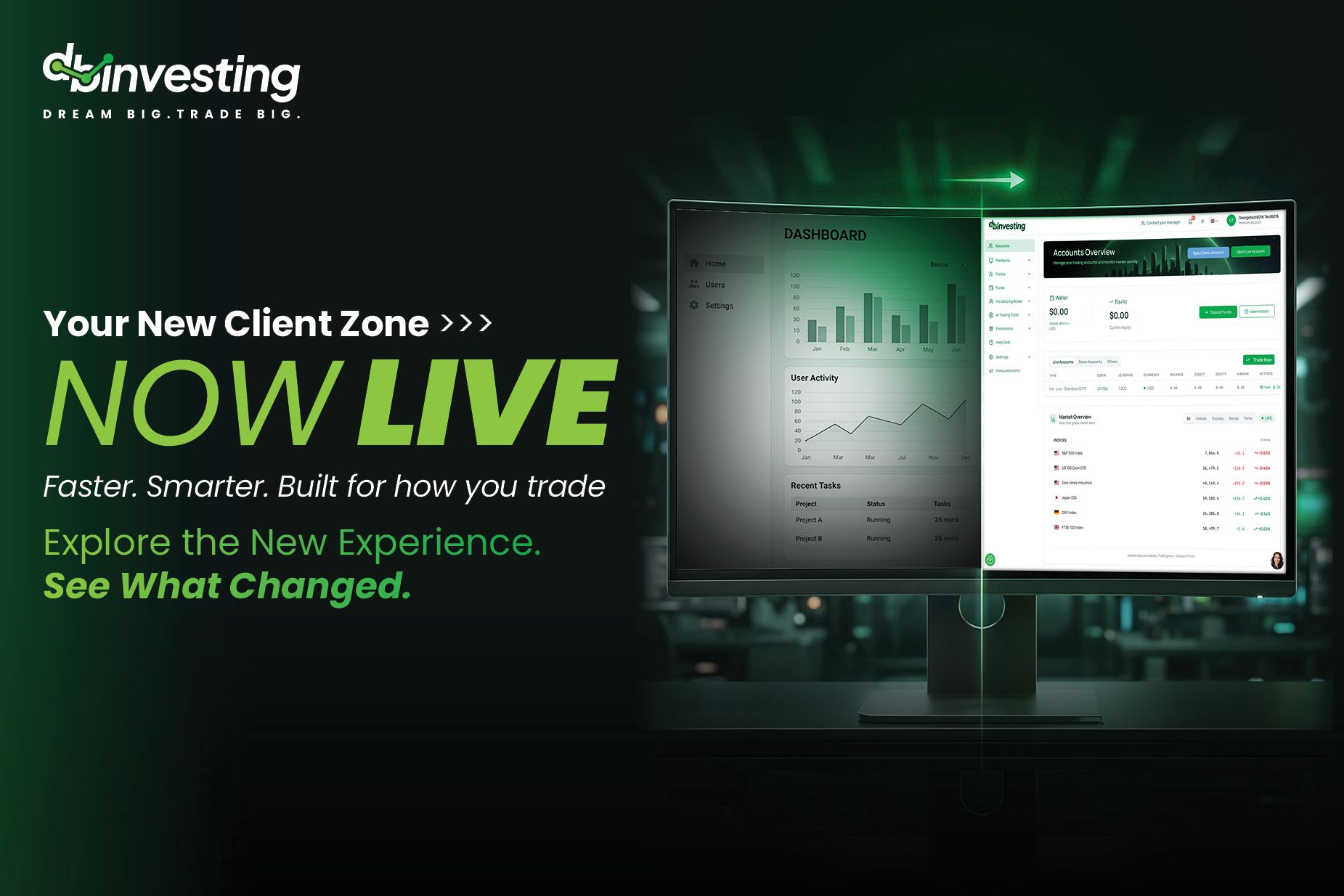
For a long time, we think most trading platforms had the same problem: they kept adding features, but the experience itself never really improved.
- Everything became fragmented.
- Research was in one place.
- Signals somewhere else.
- Funding on another page.
- Copy trading inside a separate portal.
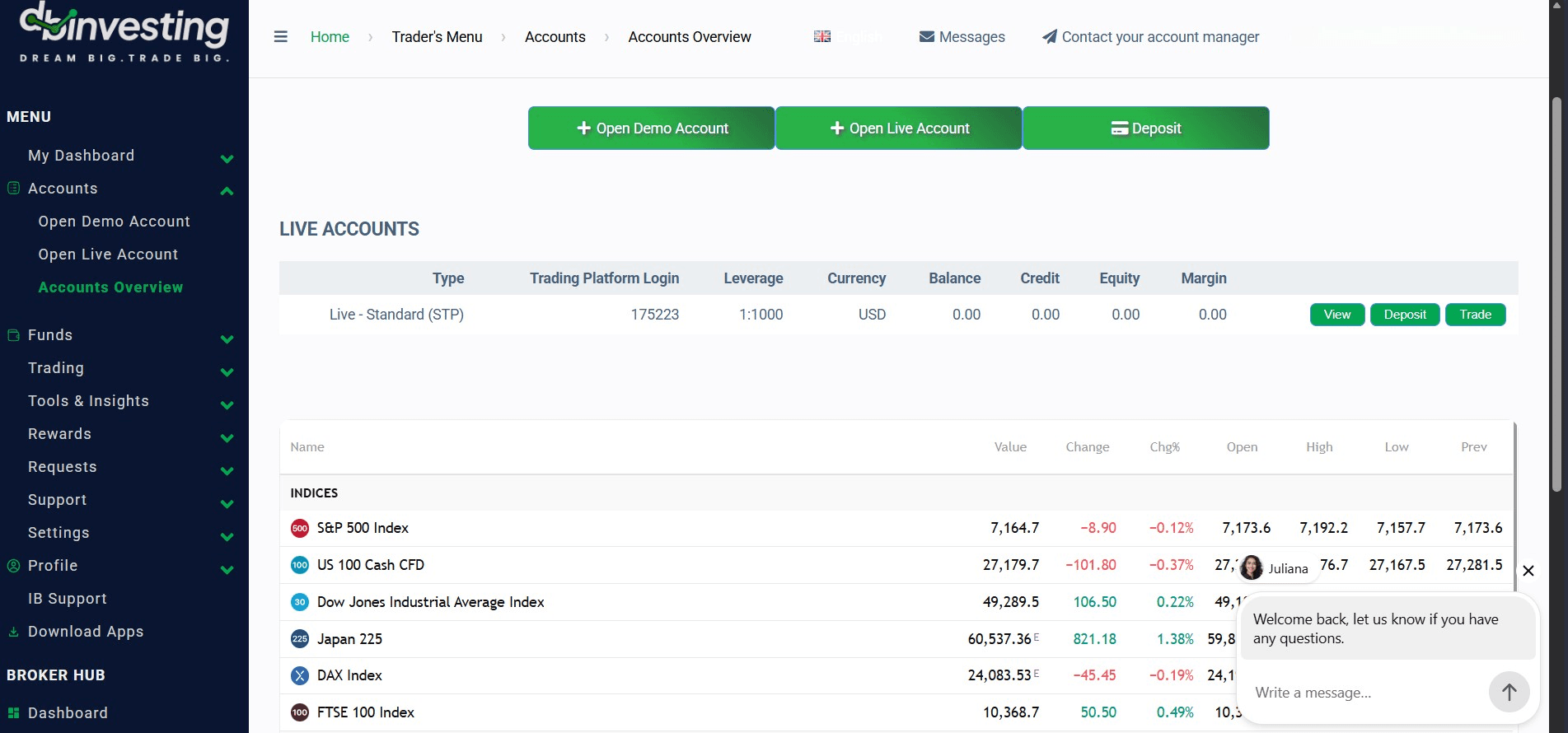
And somehow, placing a trade started feeling more complicated than the trade itself.
That’s the point where we realized the issue wasn’t design. It was workflow.
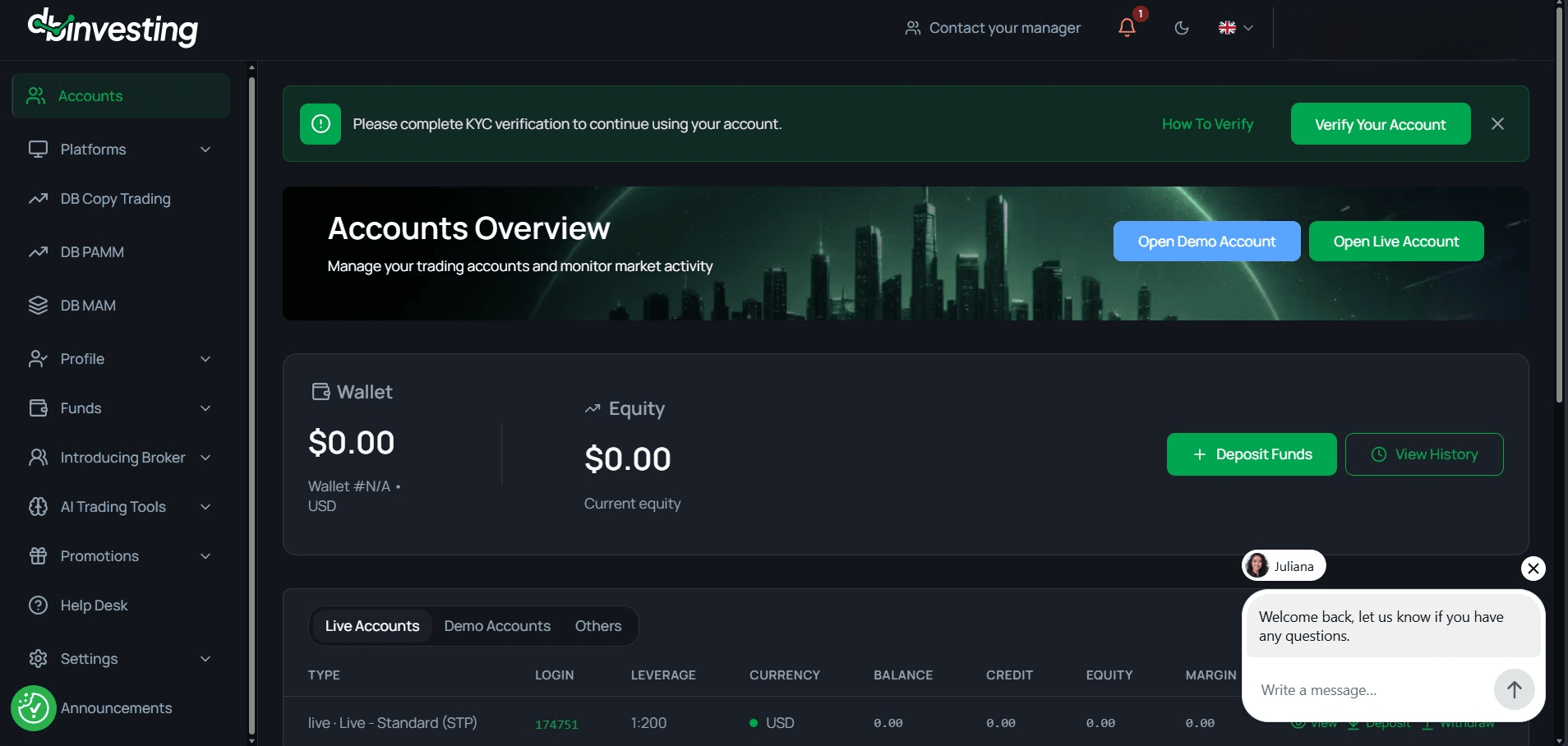
So instead of redesigning the old Client Zone, we rebuilt the experience around how traders actually operate today.
The Market Got Faster. The Workflow Didn’t.
Modern trading moves differently now.
Most traders aren’t focused on one chart all day anymore. They’re moving between:
- Forex
- Indices
- Gold
- Crypto CFDs
- Copy trading
- Managed accounts
- AI signals
- Funding and execution
Sometimes within minutes.
But most platforms still treat these as separate systems instead of one connected workflow.
That disconnect creates friction: extra clicks, extra tabs, extra delays.
And in trading, friction matters more than people realize.
We Built the New Client Zone Around Flow
One thing we kept asking ourselves during development was simple:
“What should happen after this click?”
Not from a design perspective — from a trader’s perspective.
The new Client Zone now follows the natural sequence of trading:
Research → Funding → Execution → Monitoring → Review.
That sounds simple, but it changes the entire experience.
Instead of searching for tools, the tools feel connected to the action you’re already taking.
AI Tools Shouldn’t Feel Separate From Trading
Another thing that felt outdated was how research and AI tools were handled across the industry.
Usually, signals live in a separate tab, plugin, or external platform. You analyze in one place and execute in another.
We wanted to remove that separation.
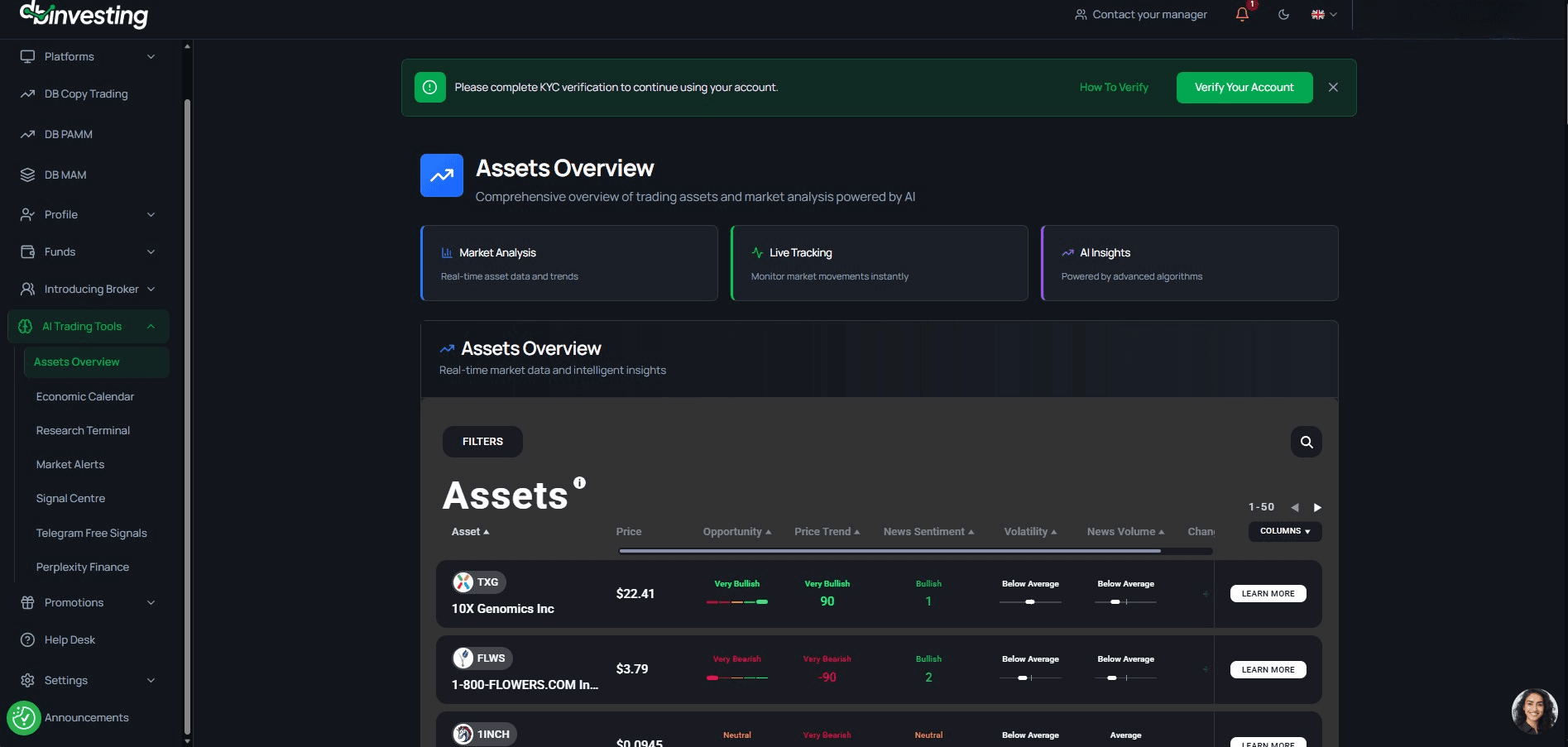
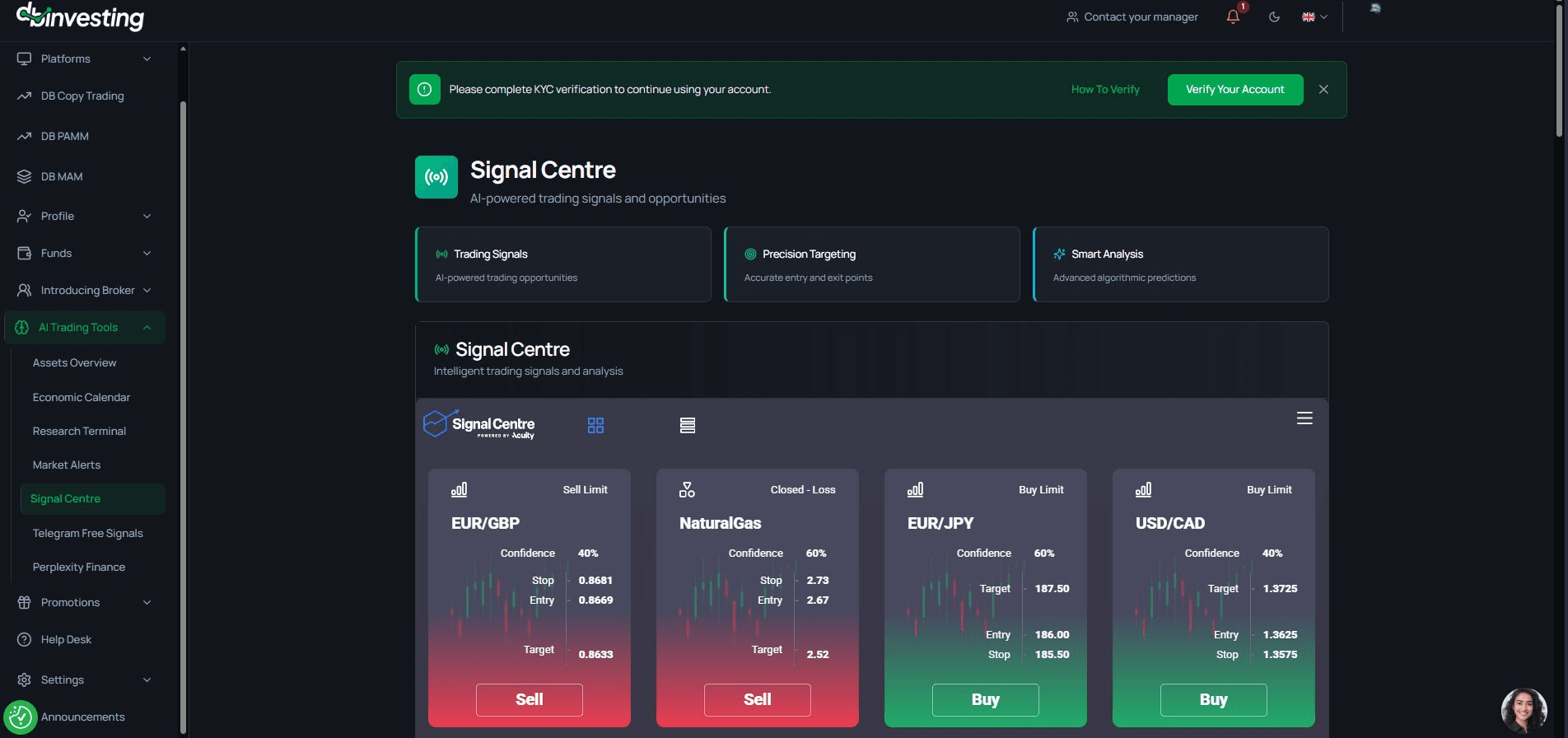
So market research, Acuity AI signals, and in-house insights were integrated directly into the Client Zone itself.
The goal wasn’t to overload traders with more information.
It was to make the right information easier to act on.
One Login Should Actually Mean One Environment
This was another major frustration.
A lot of platforms say “all-in-one,” but still require multiple systems behind the scenes:
- One portal for IBs
- Another for copy trading
- Another for account management
That never felt efficient.
The new Client Zone brings:
- Multi-asset trading
- Copy trading
- PAMM/MAM
- AI tools
- IB infrastructure
- Funding and Wallet Management
Into one connected environment under the same login.
Not just unified access.
A unified experience.
Speed Became Part of the Product
Everyone in fintech talks about speed.
But traders don’t actually care about speed as a marketing line. They care about the moments where slow systems interrupt decisions:
- Waiting for funding confirmation
- Endless loading screens
- Switching between tools
- Re-entering information
We spent more time reducing friction than adding visual effects.
Because the fastest platform usually feels invisible while you’re using it.
We Wanted Transparency to Feel Built In
One thing we personally dislike in trading platforms is when important information feels hidden behind menus.
Balances, positions, transaction history, copy trading activity, pending deposits, IB earnings — these are things traders check constantly.
So we moved visibility closer to the surface.
Not because it looks cleaner.
Because it removes unnecessary effort.
This Was Built for Different Types of Traders
Not everyone uses a platform the same way.
- Some traders manually execute every position.
- Some follow strategies through copy trading.
- Some run managed portfolios.
- Some operate IB businesses.
- Some automate through FIX API infrastructure.
The challenge was creating one environment that adapts to all of those workflows without feeling bloated.
That became a huge part of how we approached the rebuild.
Closing
The old portal worked for a different version of the market.
But trading changed.
Expectations changed.
The speed of decision-making changed.
We didn’t want to build another dashboard.
We wanted to build an environment that feels connected to the way modern traders actually think, move, and execute.
And honestly, that’s the difference users notice immediately when they log in now.